By Asego
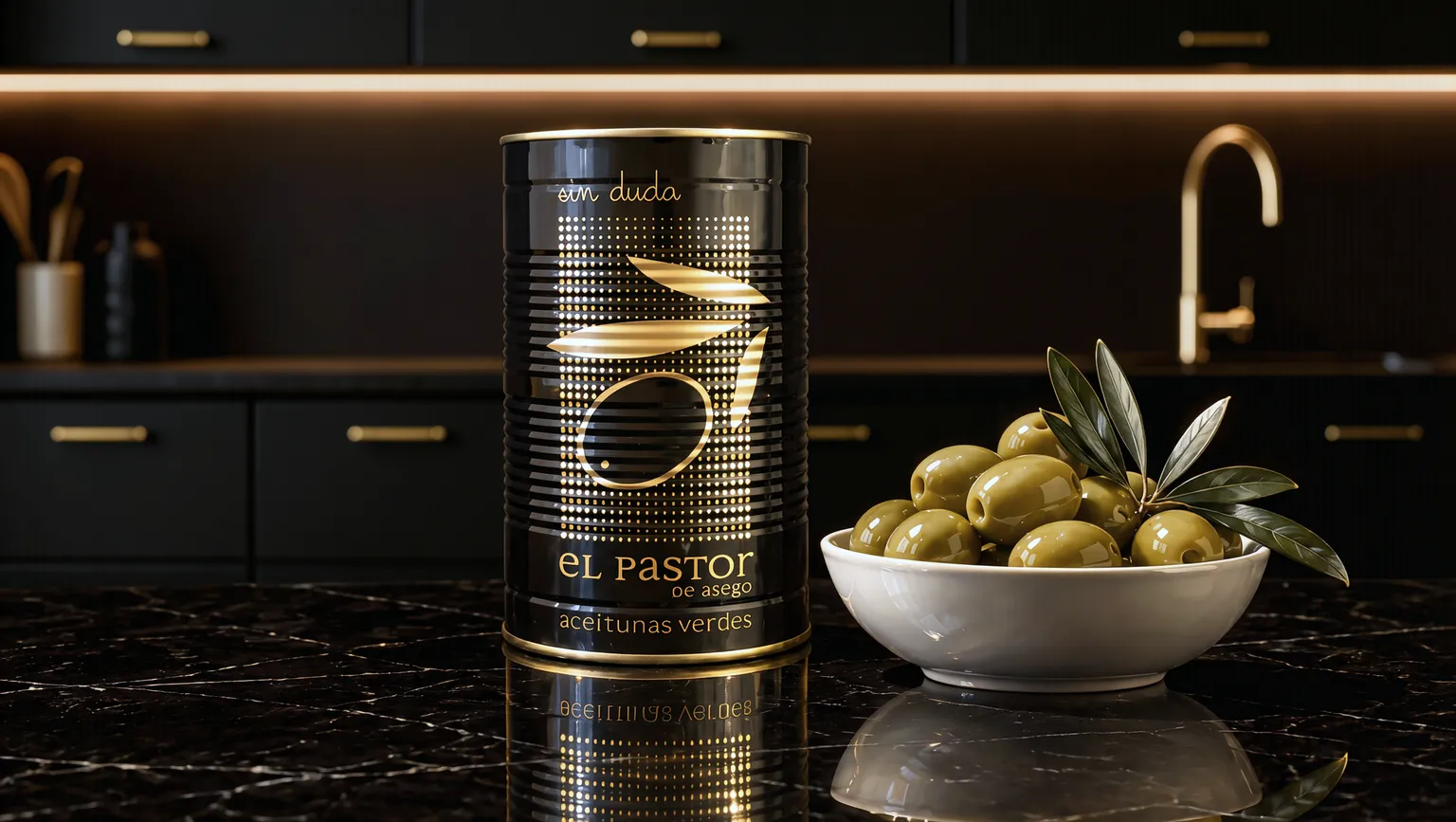
El Pastor. Without a doubt.
Spanish table olives in black 5 kg and 9 kg tins, for bars, restaurants and shops.
Every good olive is born on an olive tree.
At harvest time, Asego travels the fields of Andalusia, Aragon and Extremadura to choose the best fruit: Manzanillas from the Aljarafe of Seville, Gordales from Utrera.
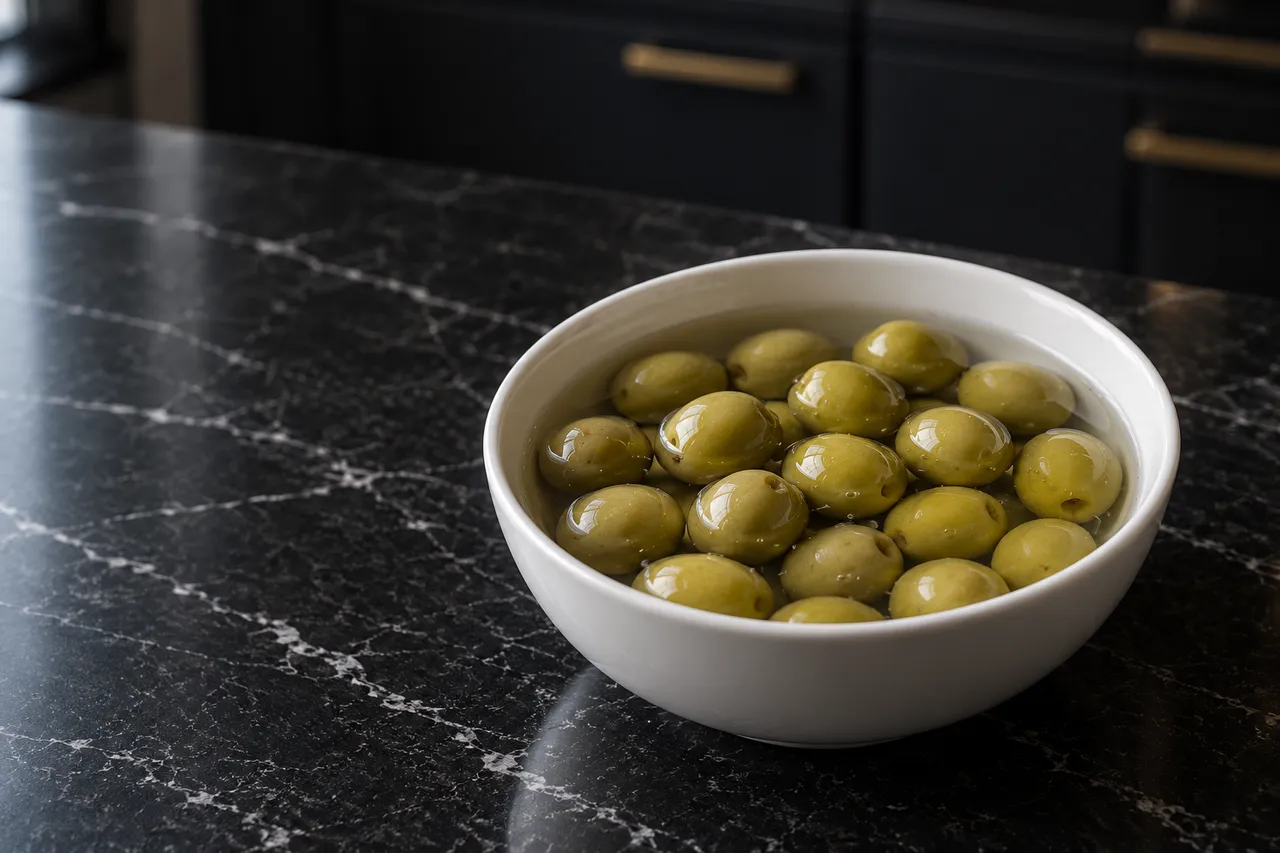
Eight days in clean water.
Before an El Pastor olive is dressed, it is washed and de-salted slowly for eight days. The excess salt and bitterness go naturally, and it stays firm, with its colour and its own taste.
The Manzanilla Fina
Most of the olives Asego works with are Manzanilla Fina: easy to pit, with flesh and stone in balance, and it melts like pâté in the mouth.
It is, without a doubt, the queen of table olives.
The Sevillana
Sevillana is the name Asego gives to Manzanillas that fall short of the top grade by a small detail: a light knock, a slightly irregular shape. They share origin, taste and texture; the difference is small and mostly visual.
The range, family by family.
Fourteen products in six families, all in black 5 kg and 9 kg tins.
The calibre is the number of olives per kilo: 60/80 means 60 to 80 olives to the kilo.
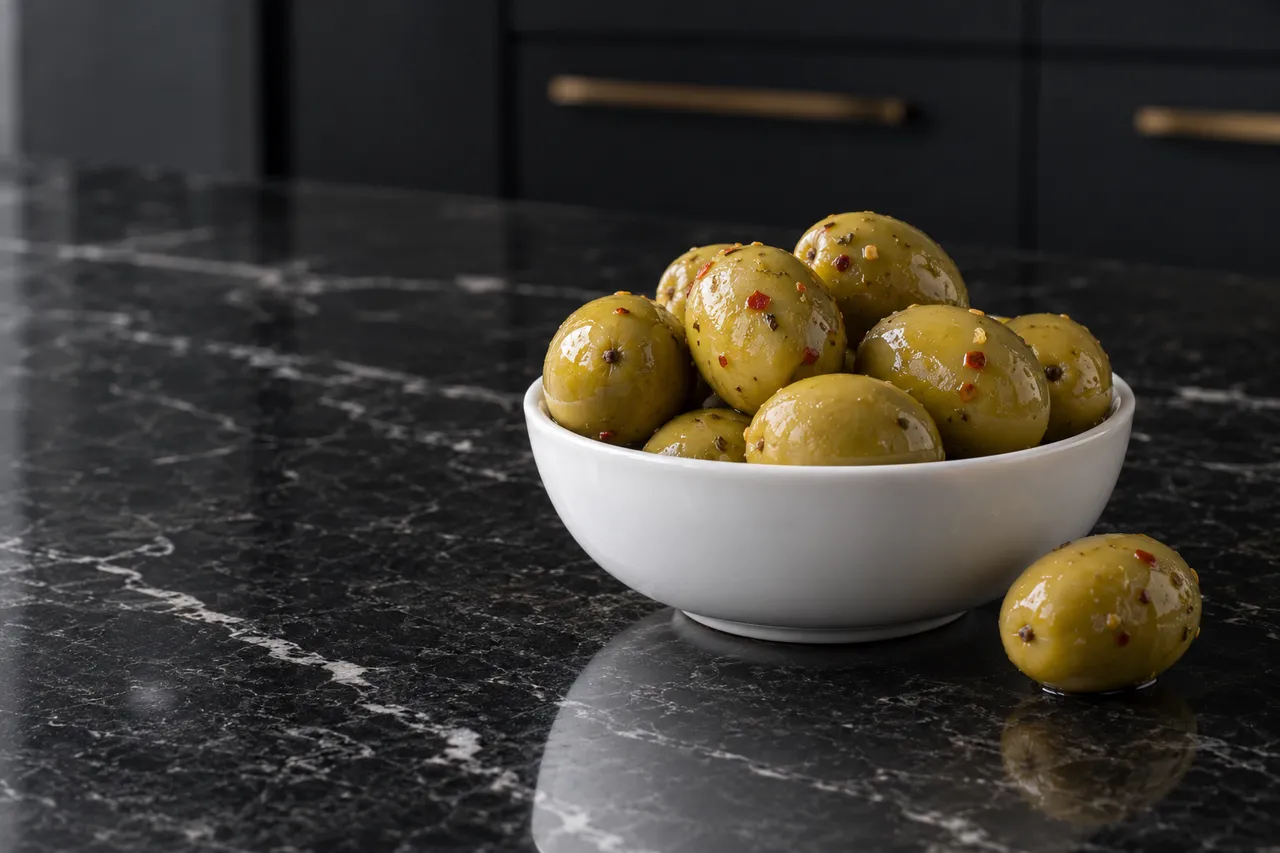
Gordal
Large and fleshy, it shines on the plate.
Sevillana
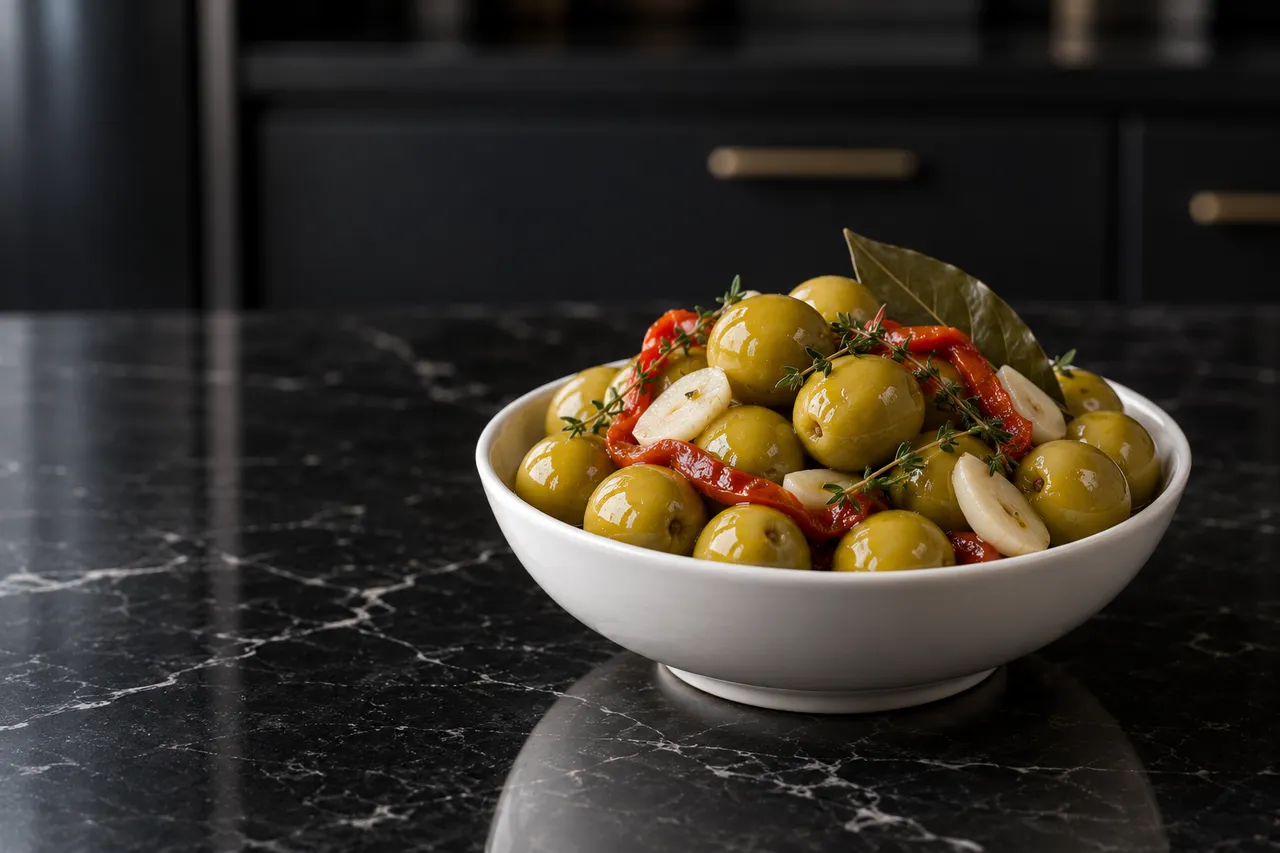
Manzanillas with the same taste and texture as the top grade. Only the look changes a little: a light knock or an irregular shape.
- Sevillana natural / sabor anchoaNatural or with anchovy flavour.
- Sevillana aliño de la abuelaWith grandmother's dressing.
- Sevillana cóctel / revueltoWith baby onions, gherkin and black Cacereña olives, on an anchovy base with a mild vinegar.
- Sevillana gazpachaWith the gazpacha dressing of vinegar and paprika.
- Sevillana mojo picón / picantona / pica picaThree spicy dressings.
Manzanilla Fina
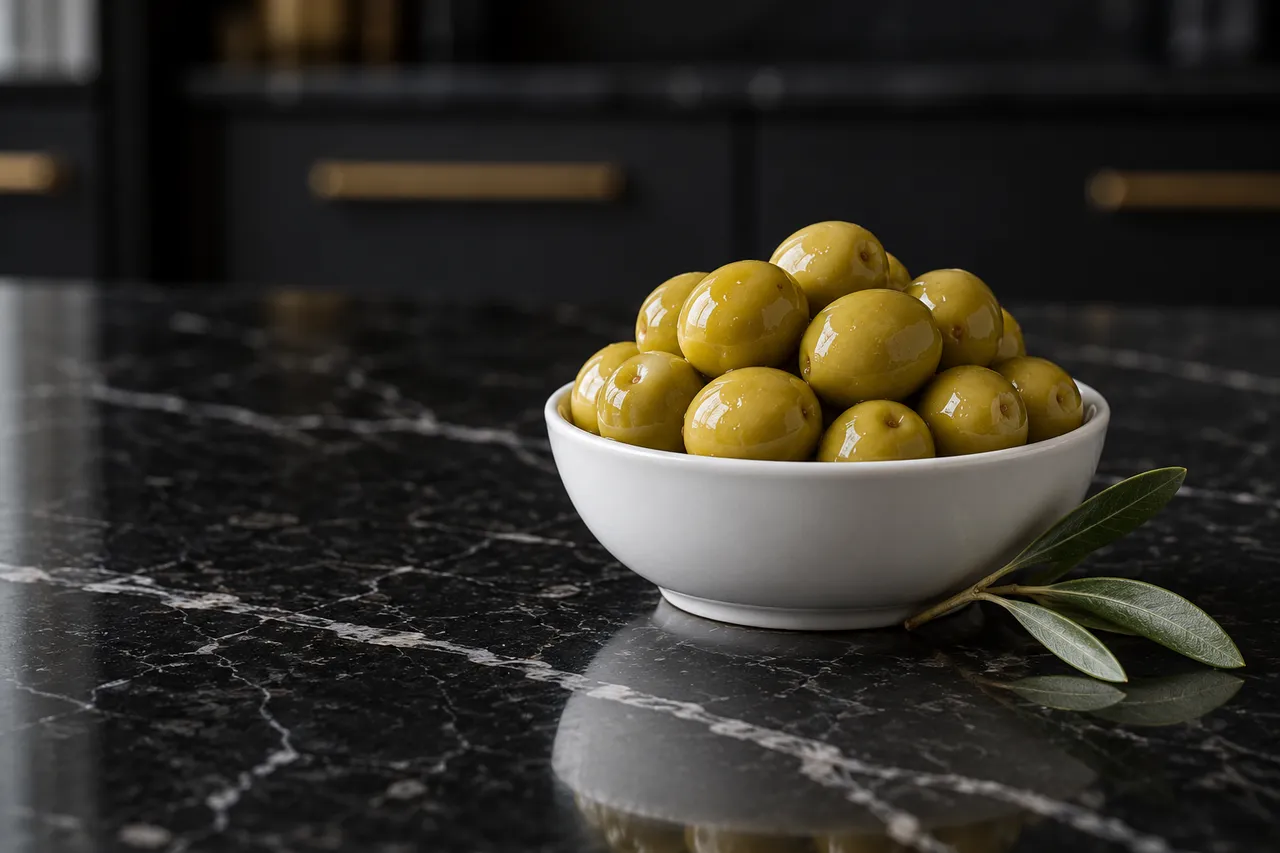
Easy to pit, with flesh and stone in balance, and it melts like pâté in the mouth.
Stuffed
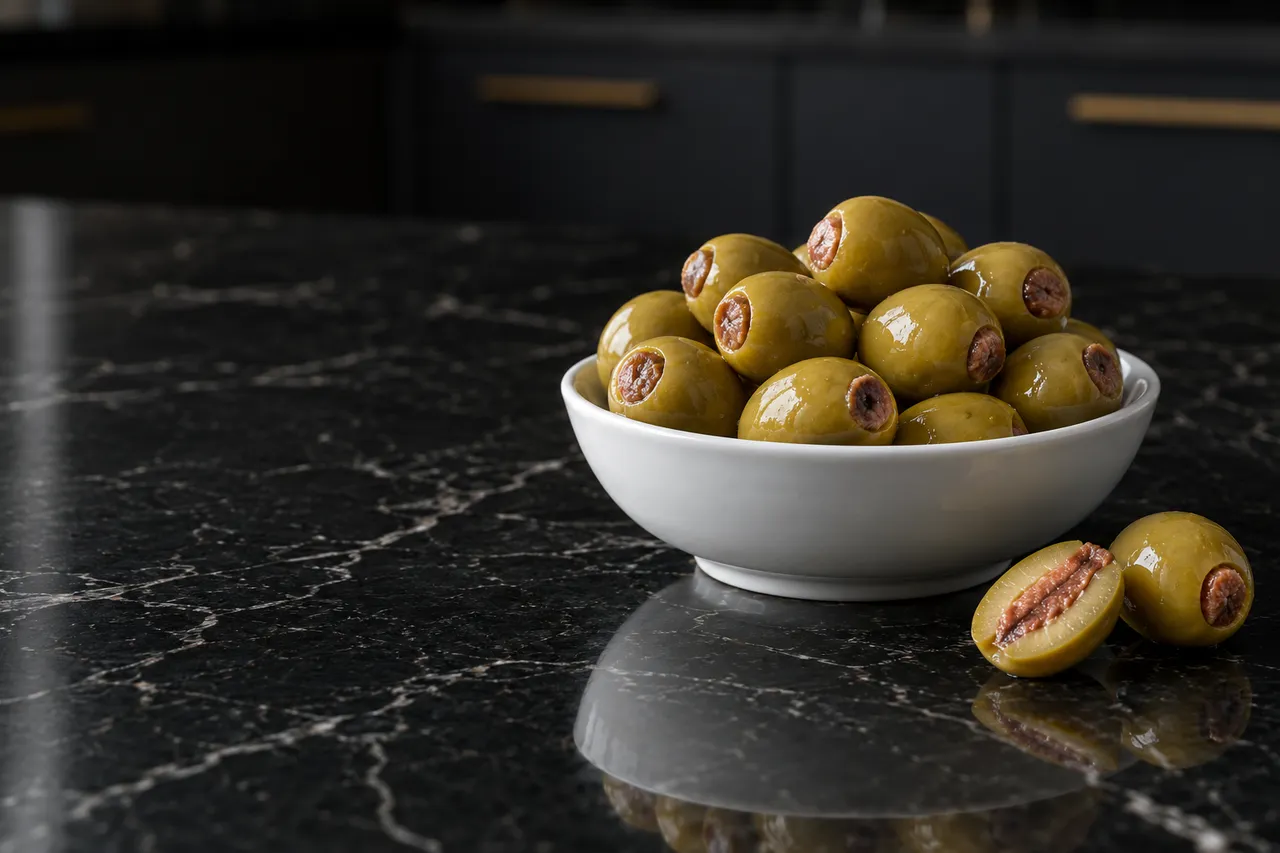
Pitted Manzanilla stuffed with anchovy.
Pitted
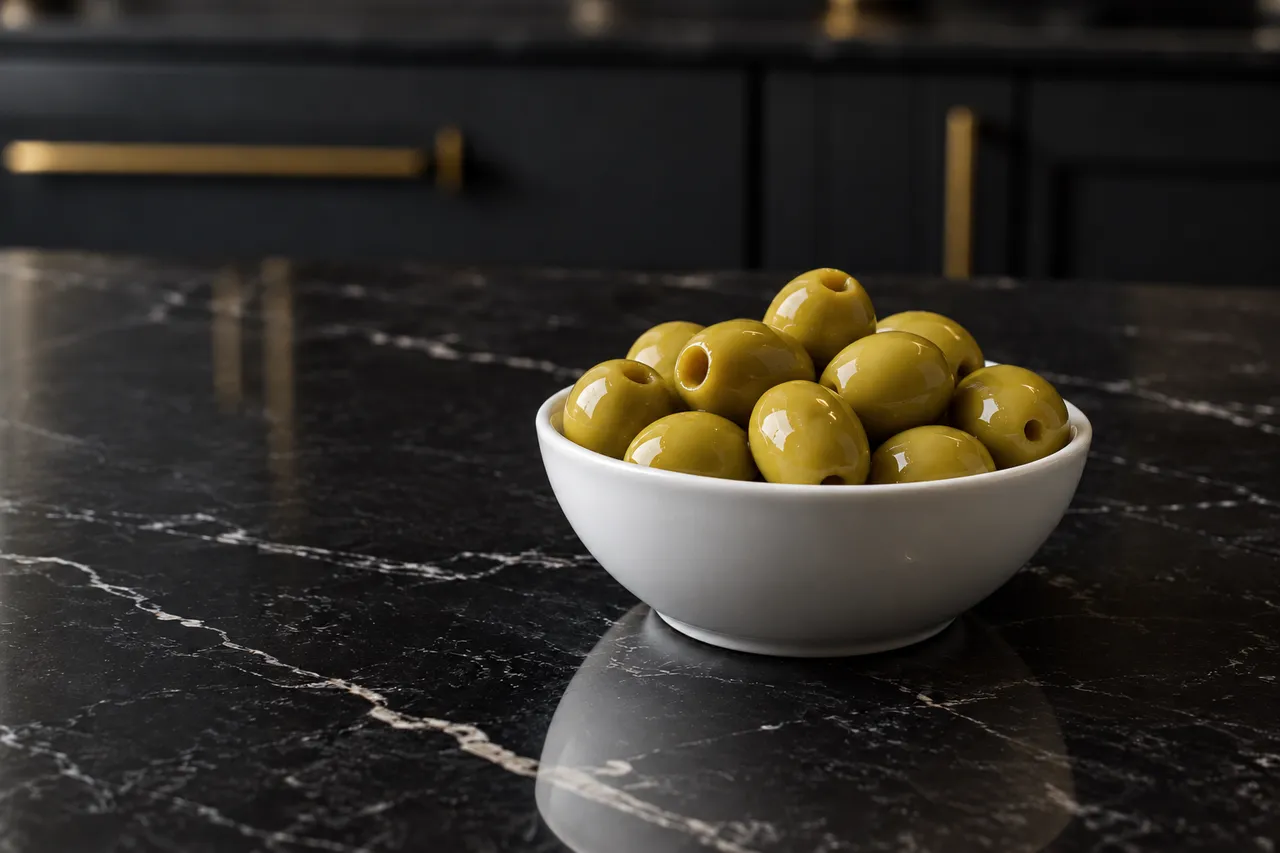
Manzanilla without the stone, ready for the plate or the kitchen.
Other varieties
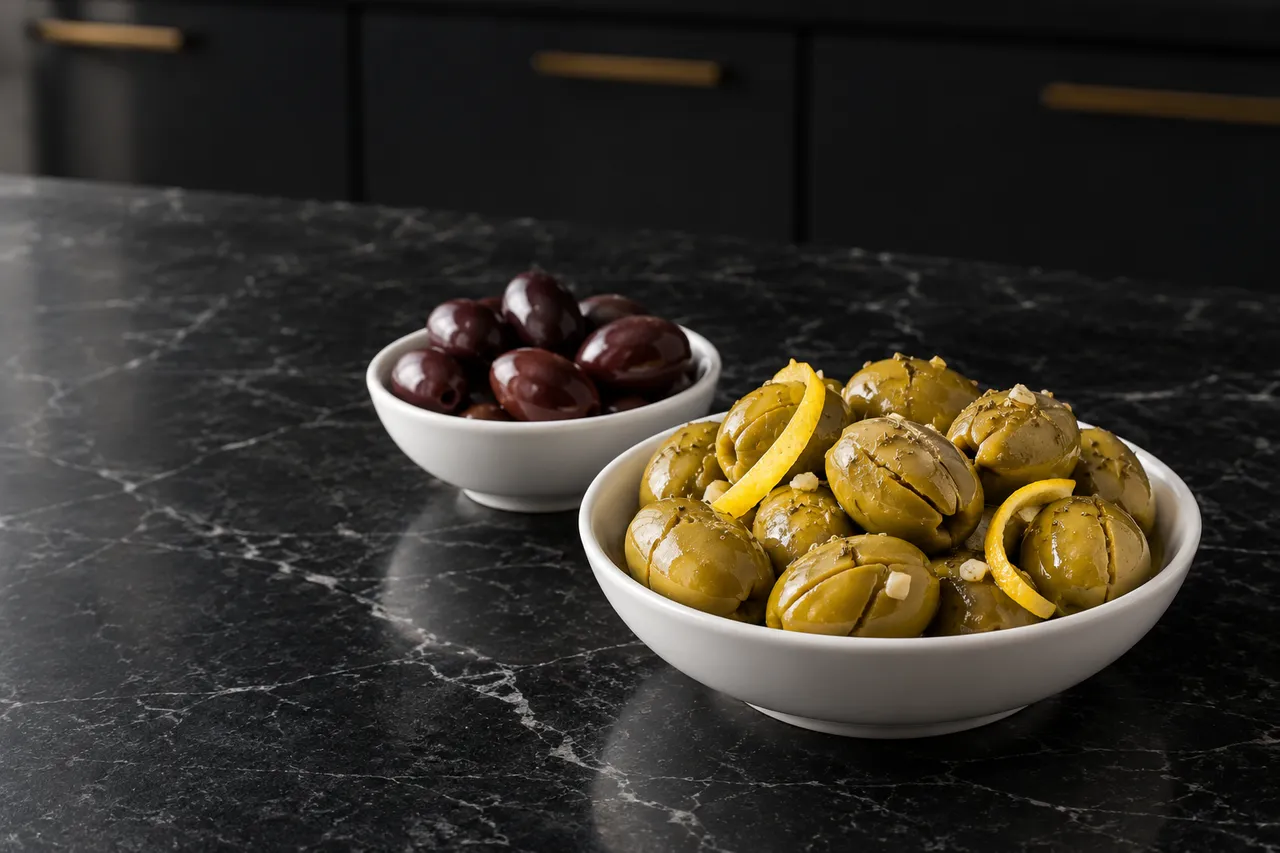
The Sosa in its dressings and the black Cacereña.
The tin
Black, ribbed, with gold lettering and the handwritten "sin duda" (without a doubt). Labelled in Spanish, English and French.
| Detail | 5 kg tin | 9 kg tin |
|---|---|---|
| Drained weight | 2.5 kg (2 kg for stuffed olives) | 5 kg (4 kg for some dressings) |
| Gross weight | 4.68 kg | 9.1 kg |
| Tin | 16 × 16 × 24.5 cm | 22 × 22 × 24.5 cm |
| Per box | 3 tins, 14.1 kg | 2 tins, 18.3 kg |
| Box | 49 × 16 × 25 cm | 43.5 × 22 × 25 cm |
| Per pallet | 55 boxes, 165 tins, 800 kg | 50 boxes, 100 tins, 940 kg |
| Boxes per layer | 11 | 10 |
| Pallet height | 1.38 m | 1.38 m |
| Label languages | ES, EN, FR | ES, EN, FR |
Once the tin is open
- Keep it in the fridge, away from direct sunlight, and close it well after each use.
- Keep the olives covered by their brine.
- Use a plastic ladle, never a metal one, one for each olive, and never leave it in the tin overnight.
How to serve them
- Mojo picón: gently spicy, with a cold beer or a young wine.
- Sosa: herbal and deep, with a vermouth or a cured cheese.
- Cocktail: colourful and tasty, with any drink.
- Gordal in anchovy brine: large and fleshy, it shines on the plate.
Made and packed by Asego in Segorbe (Castellón). Distributed by Hesstora.
El Pastor at your bar?
Tell us which olives and which tins interest you, and where you are. We will reply with prices and availability.